
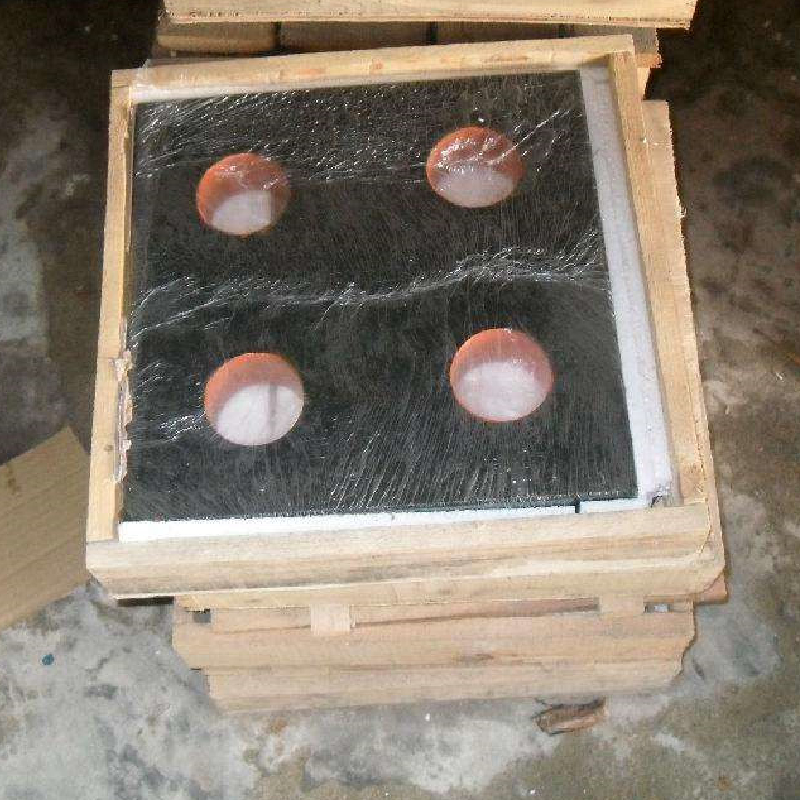
laminated glass metal mesh
Precision Ring Gauges Ensuring Accurate Measurements in Manufacturing In the world of manufacturing and engineering, precision is paramount. One of the essential tools used to achieve this precision is the ring gauge. A precision ring gauge is a cylindrical instrument designed for checking the diameter of holes in various materials. Its primary application lies in ensuring that parts fit together perfectly, which is crucial for the functionality and integrity of mechanical systems. The design of a precision ring gauge is quite straightforward, yet its implications are significant. Typically made from high-quality steel or carbide, these gauges are meticulously manufactured to achieve exact measurements. They come in two main types go and no-go gauges. The go gauge checks if a hole is within the acceptable diameter range, while the no-go gauge ensures that a hole does not exceed the maximum allowed diameter. This dual approach allows manufacturers to maintain stringent tolerances, leading to higher quality and reliability in their products. One of the key advantages of using precision ring gauges is their ability to facilitate efficient quality control processes. By integrating these gauges into the manufacturing workflow, companies can quickly assess the dimensions of fabricated parts and identify any discrepancies early on. This early detection is vital as it minimizes the cost associated with reworking or scrapping defective products. Furthermore, it enhances overall productivity, reducing downtime and ensuring timely delivery of customer orders. precision ring gauges Moreover, the importance of precision ring gauges extends beyond the manufacturing phase . They play a crucial role in maintenance and repair operations. Engineers and technicians rely on these gauges to measure and verify components in machinery and equipment, ensuring that replacements meet the required specifications. This practice is especially crucial in industries where safety is paramount, such as aerospace and automotive manufacturing, where even the slightest deviation can have catastrophic consequences. Connecting the significance of precision ring gauges to technological advancements, the future may see further improvements and innovations in gauge manufacturing. Integrating digital measurement tools with traditional ring gauges can provide real-time data and analytics, streamlining processes and enhancing accuracy. This fusion of old and new technologies promises to elevate manufacturing standards even higher. In conclusion, precision ring gauges are indispensable tools in the manufacturing and engineering sectors. Their ability to deliver reliable measurements plays a crucial role in maintaining quality control, ensuring safety, and enhancing productivity. As industries continue to evolve, the role of precision ring gauges will remain vital, reflecting the ongoing demand for accuracy and excellence in production processes. Investing in high-quality ring gauges is, therefore, not just a matter of operational efficiency but also a commitment to quality and safety in every product.
about
laminated glass metal mesh
Understanding the Snap Gauge Set A Comprehensive Guide In the realm of precision measurement tools, snap gauge sets hold a crucial place. Employed primarily in manufacturing and engineering sectors, these tools are designed to measure the dimensions of a workpiece quickly and accurately. This article aims to provide a thorough understanding of snap gauge sets, their applications, and their significance in quality control processes. What is a Snap Gauge Set? A snap gauge set typically consists of a series of calibrated measurement tools designed to check the external dimensions of an object. Unlike traditional measuring methods that may involve tedious processes with calipers or micrometers, snap gauges offer a streamlined approach to measuring dimensions such as diameter, thickness, and length. Typically, these gauges are designed to 'snap' over or into the part, allowing for quick measurement without requiring the user to hold the gauge in place. Types of Snap Gauges Snap gauges come in various forms, each suited for specific measurement tasks . The two most common types are 1. External Snap Gauges These are used to measure the outside dimensions of an object. They feature a pair of arms that 'snap' onto the part being measured, providing an immediate reading. External snap gauges are particularly beneficial for round objects, such as pipes and shafts. 2. Internal Snap Gauges Designed for measuring the internal dimensions of hollow objects, these gauges have tips that fit inside the cavity of the workpiece. Internal snap gauges are vital for manufacturing parts that need to fit together precisely, such as automotive components. How to Use a Snap Gauge Set Using a snap gauge set is straightforward, but it requires a degree of care to ensure accuracy snap gauge set 1. Calibration Before use, it is crucial to calibrate the snap gauge using standard blocks or gauges. This ensures that the measurements taken will be precise. 2. Positioning Place the snap gauge over the part to be measured. For external measurements, ensure the arms fit snugly around the outer surface. For internal measurements, insert the tool into the cavity until it makes contact with the walls. 3. Measurement Reading Once the gauge is positioned correctly, check the reading on the scale or dial. This reading indicates the dimension of the workpiece. 4. Repeatability For accuracy, it is advisable to take multiple measurements and compare the results. Applications and Importance Snap gauge sets are integral to various sectors, including automotive, aerospace, and manufacturing industries. Their ability to provide quick and precise measurements makes them indispensable in quality control processes. High-quality measurements are essential for ensuring that parts fit together correctly, which can greatly influence the overall functionality and safety of mechanical systems. Moreover, in a manufacturing environment, the efficiency provided by snap gauges can lead to increased productivity. Workers can quickly assess whether parts meet specifications, reducing the time spent in inspection and allowing for a smoother production flow. Conclusion In summary, snap gauge sets are vital tools for professionals who demand precision in their work. By understanding how to utilize these tools effectively, technicians and engineers can enhance the quality control process, ensuring that every component meets the necessary standards. Their ease of use and reliability underscore their importance in modern manufacturing and engineering, making them a staple in the toolkit of any precision measurement professional. As technology continues to advance, improved designs and materials will likely enhance the functionality and accuracy of snap gauges, further cementing their role in quality assurance.
-

High quality industrial productsagement

High quality industrial products
View Details -

Meet the diverse needs of customers

Meet the diverse needs of customers
View Details -

Strict quality control

Strict quality control
View Details -

Top raw materials

Top raw materials
View Details -

Trusted supplier

Trusted supplier
View Details
Our application


news and information
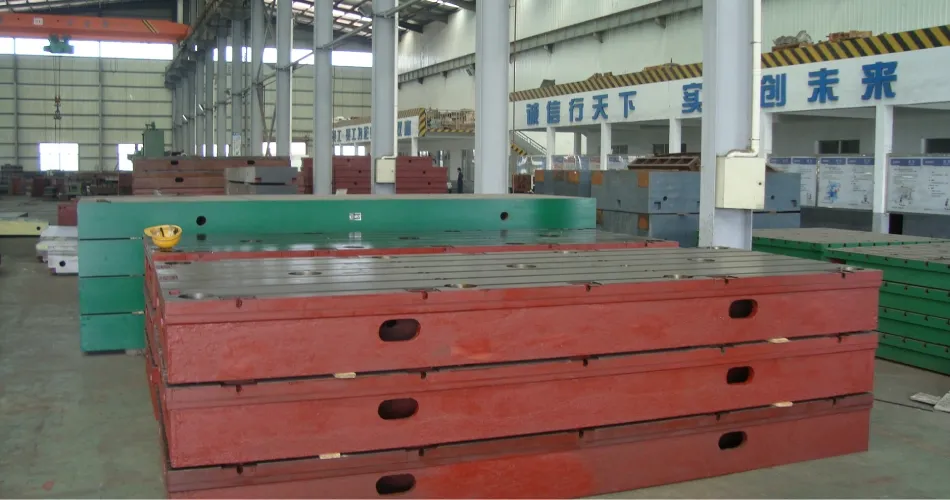
welding table cost
Understanding the Costs of Welding Tables When it comes to metalworking and fabrication, having the
v bloková cena
V současné době se v oblasti kryptoměn stále více hovoří o různých aspektech cen a jejich vlivu na t

y strainer steam trap
Understanding Y-Strainer and Steam Traps Essential Components in Fluid Management In industrial syst
 English